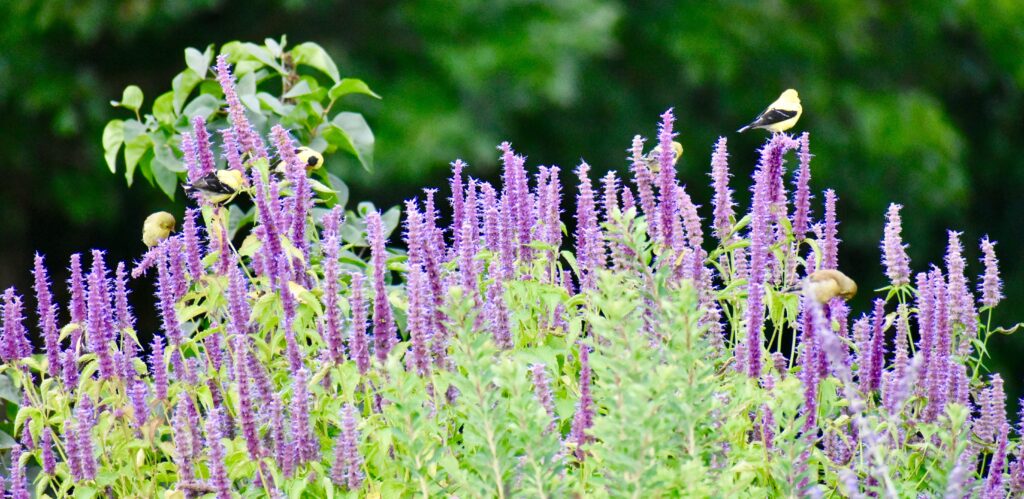
More than just a yard. Some ecological tools for Groton homeowners.
https://www.mass.gov/doc/more-than-just-a-yard-ecological-landscaping-tools-1/download
Each yard is connected with the environment around us through a fragile link with nature. As property owners, we have the responsibility of caring for, and improving, that link. With some changes, you can take meaningful steps to restore and maintain an ecologically sustainable landscape. Whether you take one small step, such as planting a blueberry bush that can provide food for yourself, birds, and other wildlife, or take large steps such as planting a native plant pollinator garden or reduce the size of your lawn, you can help the environment of your neighborhood and community.
1. Water Conservation
- Use drip irrigation or soaker hoses to reduce water waste by delivering water directly to the plant roots.
- Choose plants that require less water, such as native or xeric species, to minimize irrigation needs.
- Limit lawn irrigation to not more than once a week. Or let turf grass go dormant during hot and dry summers.
- Collect and reuse rainwater for irrigation helping to reduce reliance on municipal water supplies.
2. Use of Native Plants
- Consider using native plants. They are adapted to the local climate, soil, and wildlife, and don’t need
chemical inputs. Once established they don’t need watering if planted in the right place. Native plants provide essential habitat and food sources for local wildlife, including pollinators, birds, and insects.
3. Soil Health Management
- Enrich soil with compost. This adds organic matter, improves soil structure, and provides essential nutrients for plants.
- Apply organic mulch. This conserves soil moisture, suppresses weeds, and slowly releases nutrients as it breaks down.
- Eliminate the use of chemical fertilizers and pesticides. This preserves soil health and supports beneficial organisms.
4. Integrated Pest Management (IPM)
- Encourage natural predators and beneficial insects to control pests. This will reduce the need for chemical pesticides.
5. Energy Efficiency
- Position trees and shrubs to provide natural shade in summer and windbreaks in winter. This will reduce energy costs for heating and cooling.
- Design landscapes that require minimal mowing, pruning, and other energy-intensive maintenance activities.
6. Waste Reduction and Recycling
- Turn garden waste into compost. This reduces landfill waste and recycles nutrients back into the soil.
- Leave grass clippings on the lawn to decompose naturally. This returns nutrients to the soil and reduces the need for fertilizer.
- Incorporate recycled or reclaimed materials in hardscaping and garden structures. This reduces waste and the demand for new resources.
- Do a light fall clean up. Leave the leaves in garden beds. Leave garden plants up for the winter. Rake leaves off lawn areas into a pile where they can remain and break down into leaf mold. Do a Light Fall Cleanup
7. Wildlife Habitat Creation
- Establish gardens that attract and support bees, butterflies, moths, and other pollinators. These creatures are essential for ecosystem health. See How To Create a Pollinator Garden with Native Plants.
- Install birdhouses, bat boxes, and ponds to create a welcoming environment for various species.
8. Stormwater Management
- Design gardens that capture and filter stormwater runoff. This will reduce erosion, and improve water quality. Groton Garden Club has started a small rain garden at Prescott Common (intersection of Rt. 119 & Old Ayer Rd.) A pussywillow – Salix discolor has been planted in the south section of the common which floods seasonally.
- Use permeable paving materials to allow water to infiltrate the ground. This reduces runoff and promotes groundwater recharge. The parking lot at Groton Town Hall is a permeable parking lot.
9. Sustainable Design and Planning
- Design landscapes that work with the natural topography and climate. This will reduce the need for extensive alterations and maintenance.
- Group plants with similar water, light, and soil needs together to optimize care and resource use.
10. Climate-Responsive Planting
- Choose plants that are well-suited to the local climate and weather patterns to ensure resilience and reduce resource use. In other words, choose plants native to Groton.
- Incorporate plants that thrive in different seasons to maintain year-round interest and ecosystem support.
11. Practice Responsible Mosquito Control Approaches
- Choose alternative methods to broad spraying of insecticides for mosquitoes. It is both ineffective and harmful to the environment. It has been noted by leading entomologist that fogging for adult mosquitoes is ineffective and there are better ways to control mosquitoes. Spraying any insecticide on a broad area can kill beneficial insects (and other arthropods). There are alternatives to spraying for adults such as larva traps, repellents, etc. that are effective and do not harm the environment.
See Action Item on Responsible Mosquito Control Approaches.
12. Reduce Light Pollution
By focusing on these key practices, sustainable landscaping efforts can significantly contribute to environmental preservation, resource conservation, and the creation of beautiful, functional outdoor spaces.